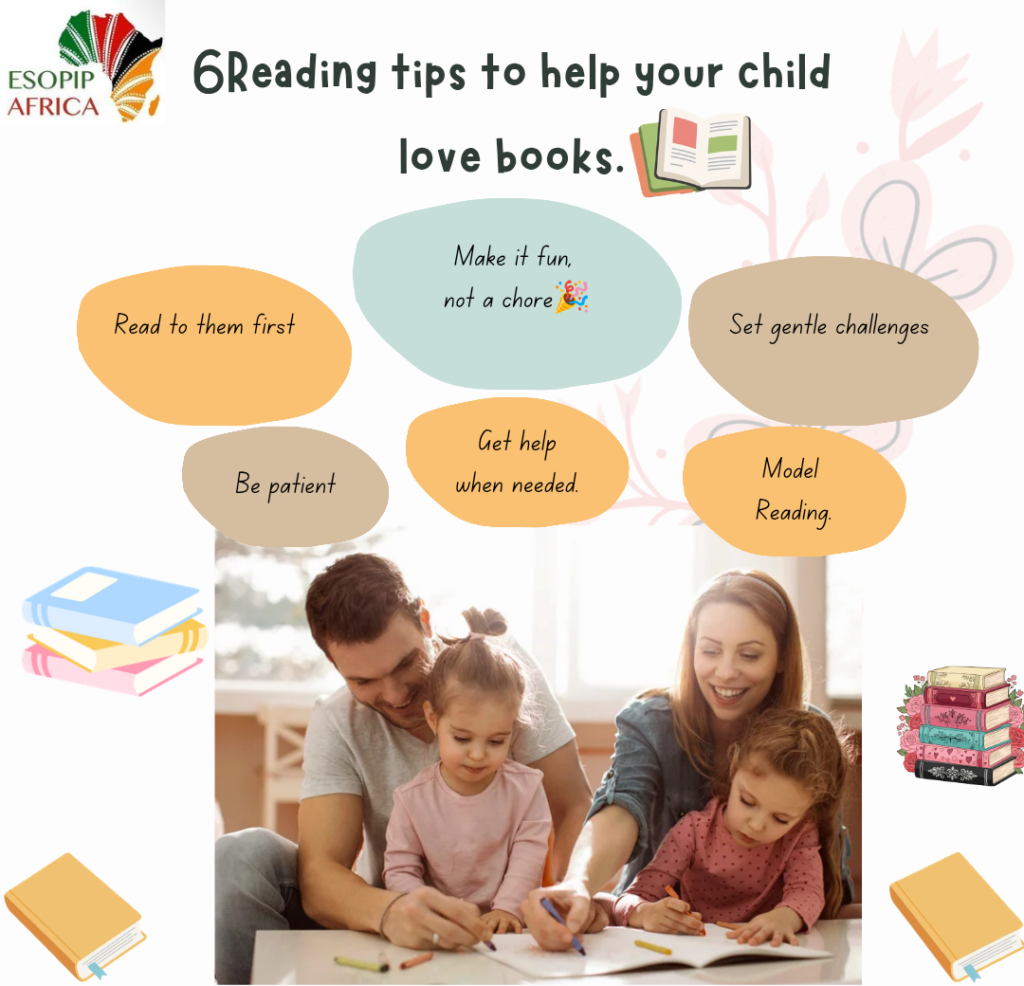
6 READING TIPS TO HELP YOUR CHILD FALL IN LOVE WITH BOOKS
As a child I was encouraged to read, but along the line I lost interest in reading and I developed interest in drawing, maybe because my favorite brother was an artist. 😂 In any case, I started drawing and I was quite good at it. After I lost him, I had to travel to another part of the country, where I met a Librarian who became a dear friend. She gave me lots of books, with timelines. She would say “you have three days to finish this book.” The first book I started reading, I finished it in 7 days! 😂😂😂 She kept encouraging me, and with time I started finishing books within 2-3 days. And before you say they were not voluminous, no—I am talking about books with 300-500 pages. As time went by, I started buying my own books. That librarian did not just give me books. She gave me patience, encouragement, timelines that felt like gentle challenges, and most importantly, she made reading feel achievable. She taught me that readers are not born. They are made through consistency, encouragement, and love.
1. Read To Them Before, Expecting Them to Read Alone
Children learn to love reading by first hearing stories read with expression, warmth, and joy. Before your child can decode words on a page, they need to associate books with comfort, love, and connection. Read aloud daily, even if just for 10-15 minutes. Use different voices for characters. Show excitement about the story. Let them see that books bring you joy. When children associate reading with happy memories of time spent with you, they are far more likely to pick up books on their own later.
2. Make It Fun, Not a Chore
Reading should never feel like punishment or obligation. Use apps that teach reading through games and interactive activities. Let them choose books that interest them, even if it is the same book over and over again. Create a cozy reading nook with pillows and good lighting. Celebrate small wins like finishing a page or sounding out a difficult word. The goal is not perfection but progress. When reading feels fun, children want to do it more.
3. Set Gentle Timelines and Challenges
My librarian friend gave me timelines that pushed me without overwhelming me. She did not shame me when I took 7 days instead of 3. She celebrated that I finished and then gently encouraged me to try again with the next book. You can do the same with your child. “Let’s see if we can finish this chapter book by the end of the week!” or “Can you read 10 pages today?” Make it a game, not a test. When they meet the challenge, celebrate. When they do not, encourage them to keep trying without making them feel like failures.
4. Be Patient and Let Them Grow at Their Own Pace
Some children take to reading immediately. Others struggle for months or even years before something clicks. Do not compare your child to others. My journey from disinterested reader to someone who could finish 500-page books in 2-3 days did not happen overnight. It took a patient librarian, consistent encouragement, and time. Your child needs the same. Celebrate every small step. Every word sounded out, every page turned, every book completed. Growth happens slowly,trust the process.
5. Get Them Tutors or Extra Support When Needed
If your child is really struggling with reading, do not hesitate to get professional help. A tutor, a reading specialist, or even a kind librarian can make all the difference. Sometimes children just need someone outside the parent-child dynamic to help them break through. There is no shame in asking for help. The goal is for your child to become a confident reader, not for you to do it all alone.
6. Model Reading Yourself
Children imitate what they see. If they never see you reading, they will not value it. Let them catch you with a book. Talk about what you are reading. Share interesting facts or stories you have learned. Show them that reading is not just something children do for school but something adults do for pleasure, knowledge, and growth. When they see you love reading, they will want to love it too.
Dear parents, teach your children to read. Read to them. Download apps that teach reading. Get them tutors if needed. Make it fun. Be patient enough to allow them grow to love it. The child who struggles with reading today can become the adult who devours books tomorrow. I know because I lived it. And if a patient librarian could transform a grieving, disinterested girl into a passionate reader, imagine what you can do for your child with love, consistency, and encouragement. Do not give up. The breakthrough is coming.