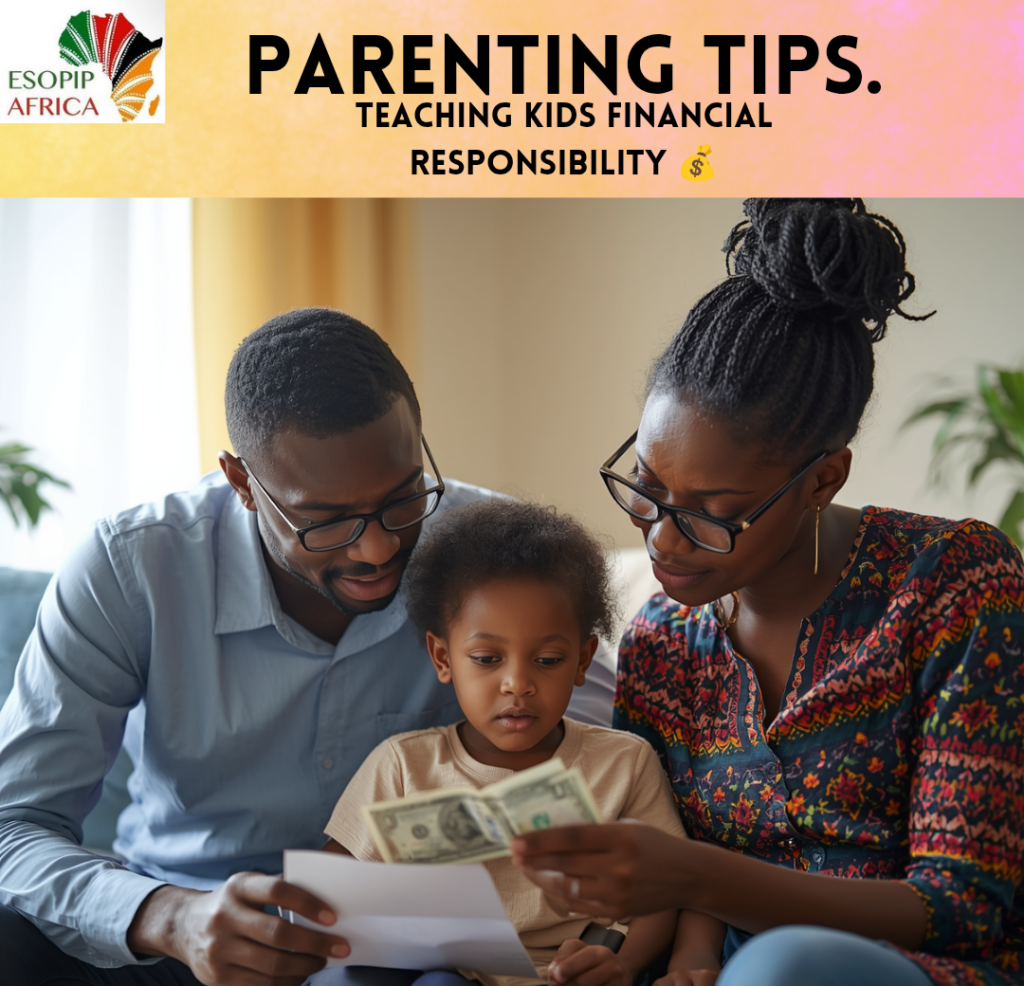
LESSONS MONEY CAN’T BUY
I was not really taught financial responsibility as a child because all my needs were met. My parents provided everything, so I never had to think about managing money. However, I went to a boarding house for my Junior Secondary School, and there I learned firsthand that if my pocket money finished, I would starve. There were no parents to call for more money. No safety net. Just me and the consequences of my spending choices. So I unconsciously started saving money, rationing what I had, and making my allowance stretch. I learned to say no to unnecessary things, to budget for what mattered most, and to always keep something for emergencies. Today I can say that training paid off. It taught me discipline, delayed gratification, and the value of money in ways no lecture ever could. Now as a parent, I understand that one of the greatest gifts we can give our children is financial wisdom. Not just providing for them, but teaching them how to manage resources responsibly.
1. Give Them Money to Manage, Not Just Money to SpendOne of the biggest mistakes parents make is giving children everything they need without teaching them how money works. When all their needs are automatically met, children do not learn the value of money or the discipline required to manage it. Instead of just buying everything for your child, give them age-appropriate control over some of their finances. For young children, this could be a small weekly allowance they manage for treats or toys. For older children, it could be a clothing budget or responsibility for certain personal expenses. The key is giving them enough to make real decisions but not so much that mistakes do not matter. When children have to choose between buying snacks today or saving for something bigger later, they learn critical thinking, prioritization, and self-control. Let them make mistakes. Let them run out of money and feel the consequences. That is how they learn.
2. Teach the Difference Between Needs and Wants
Children naturally want everything they see. Part of financial responsibility is learning that not every want deserves to be fulfilled immediately. Teach your children to distinguish between needs (food, shelter, clothing, education) and wants (toys, candy, the latest gadget). When they ask for something, help them identify which category it falls into. “Do you need this, or do you want it?” This does not mean never buying wants, but it means teaching children to prioritize needs first and save or wait for wants. My boarding school experience taught me this quickly. I needed food, so I had to budget for meals first. Snacks and treats were wants that I could only afford if I had money left over. Children who grow up understanding this difference make better financial decisions as adults because they know how to live within their means instead of constantly chasing desires.
3. Model Good Financial Behavior Yourself
Children learn more from what you do than what you say. If you constantly impulse buy, complain about being broke while spending carelessly, or avoid budgeting and saving, your children will absorb those habits. Model the financial responsibility you want them to develop. Let them see you budgeting, saving for goals, comparing prices, and making thoughtful spending decisions. Talk about money openly but appropriately. “We are saving for a family vacation, so we are being careful with spending this month.” “I am choosing this product because it is better quality and will last longer, even though it costs more upfront.” When children see financial discipline in action, they internalize it as normal and desirable rather than restrictive or boring.
4. Create Opportunities for Earning and Saving
Financial responsibility is not just about managing money. It is also about understanding how money is earned. Give children age-appropriate ways to earn money beyond their regular allowance. This could be extra chores, small business ideas like selling crafts, or helping with family projects. When children earn money through effort, they value it differently than money simply given to them. They are less likely to waste it because they understand the work it represents. Pair earning with saving by helping them set savings goals. “If you save ₦500 every week, in two months you can buy that toy you want.” Provide a piggy bank, savings jar, or even a simple savings account. Celebrate milestones when they reach their goals. This teaches delayed gratification, patience, and the satisfaction of working toward something meaningful.
5. Let Them Experience Natural Consequences
This is the hardest but most effective lesson. When your child spends all their money on something frivolous and then cannot afford what they actually need or want later, resist the urge to rescue them. Let them feel the discomfort. My boarding school experience was powerful precisely because there was no rescue. If I spent all my pocket money, I went hungry until the next allowance. That discomfort taught me discipline faster than any lecture could have. Obviously, you will not let your child truly go without necessities, but within safe boundaries, let them experience the consequences of poor financial choices. Ran out of money before the week ended? They wait until next week. Spent their clothing budget on one expensive item and now have nothing left for other needs? They make do with what they have. These experiences are uncomfortable but invaluable. They teach children that financial decisions have real consequences and that they are responsible for managing their resources wisely.Teaching financial responsibility is not about making children anxious about money or depriving them. It is about equipping them with skills they will use for the rest of their lives. I did not learn money management from lectures. I learned it from experiencing the direct consequences of my choices in a controlled environment. Now I am intentionally creating similar learning opportunities for my children because I know that financial wisdom is one of the most practical gifts a parent can give. So give them money to manage. Teach needs versus wants. Model good behavior. Create earning and saving opportunities. And let them experience consequences. When you do, you raise children who grow into adults that know how to live within their means, save for the future, and make wise financial decisions. That is a foundation that will serve them forever.